Wadi Al-Makhrour in Beit Jala: Nature, History, and Palestinian Heritage
1. Geographical Location and Nature
Wadi Al-Makhrour is located to the west of the city of Beit Jala, in the Bethlehem Governorate. It extends towards the village of Battir and the surrounding villages, such as Al-Walaja and Husan, near the city of Jerusalem. The valley forms a beautiful natural landscape connecting the hills of Beit Jala with the Palestinian countryside. It is distinguished by its unique location, which combines mountainous terrain with open agricultural land.
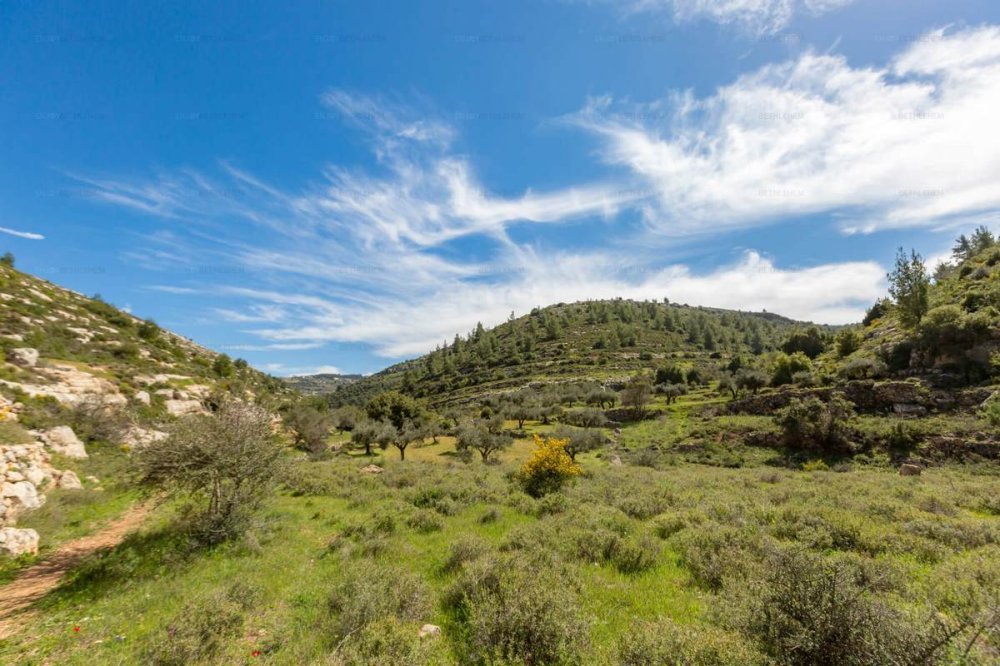
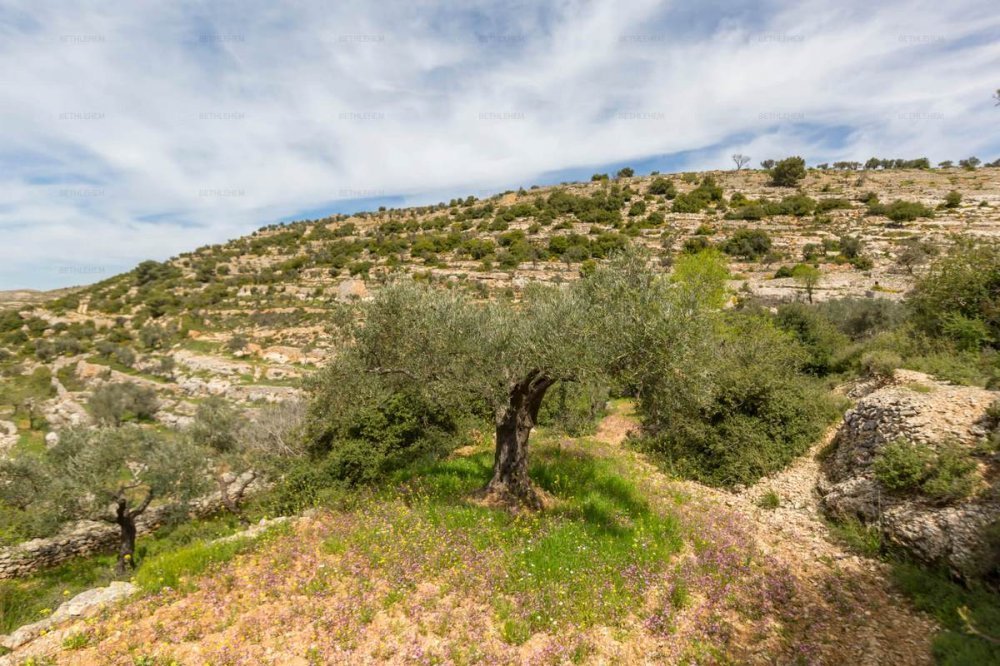
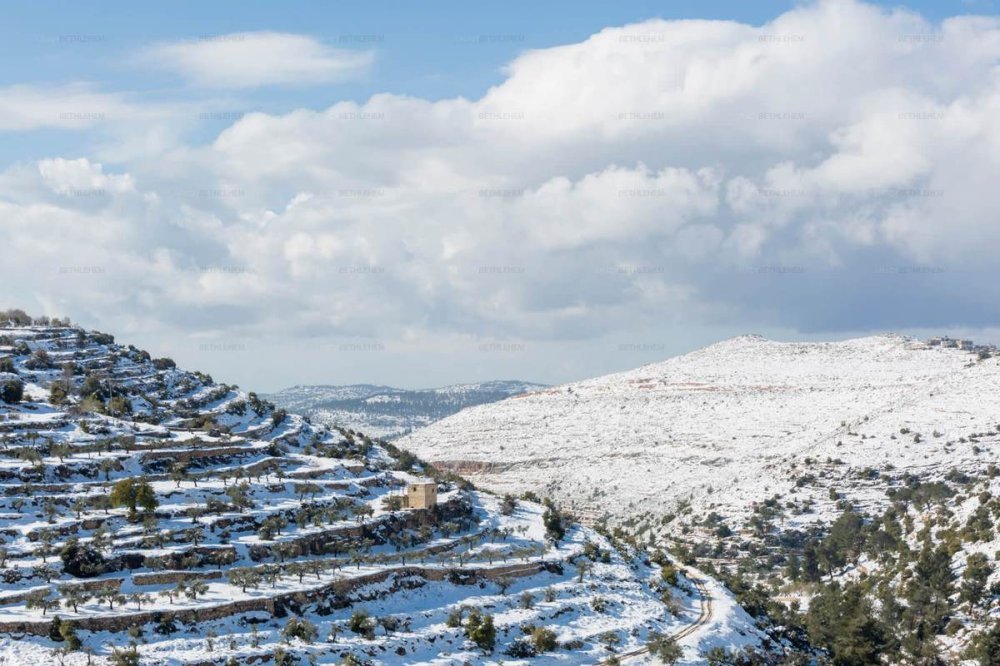
The valley consists of rocky hills, natural slopes, agricultural terraces, springs, and green spaces. This diversity gives it exceptional natural beauty and a distinctive climate, making it an important destination for hiking, enjoying scenic views, and breathing fresh air.
2. History and Historical Significance
Wadi Al-Makhrour is an area with deep historical roots, as agricultural activities and human settlement in the region date back thousands of years. The area has witnessed the succession of various civilizations, each leaving behind archaeological remains and historical landmarks that reflect the valley's importance throughout the ages.
The valley was part of the roads and pathways connecting rural areas with the cities of Jerusalem and Bethlehem. Its natural springs and fertile soil also attracted people to settle and establish communities in the area. The valley contains ancient caves, stone terraces, wells, pools, and traditional water channels, as well as stone agricultural towers that were used to monitor farmland and store crops.
These historical features demonstrate how Palestinians adapted to the mountainous environment and made use of its natural resources through traditional and sustainable practices.
3. Agricultural Heritage and Traditional Life
Agricultural heritage is one of the most important features of Wadi Al-Makhrour. For generations, the residents of Beit Jala have relied on its agricultural lands as a major source of food and income.
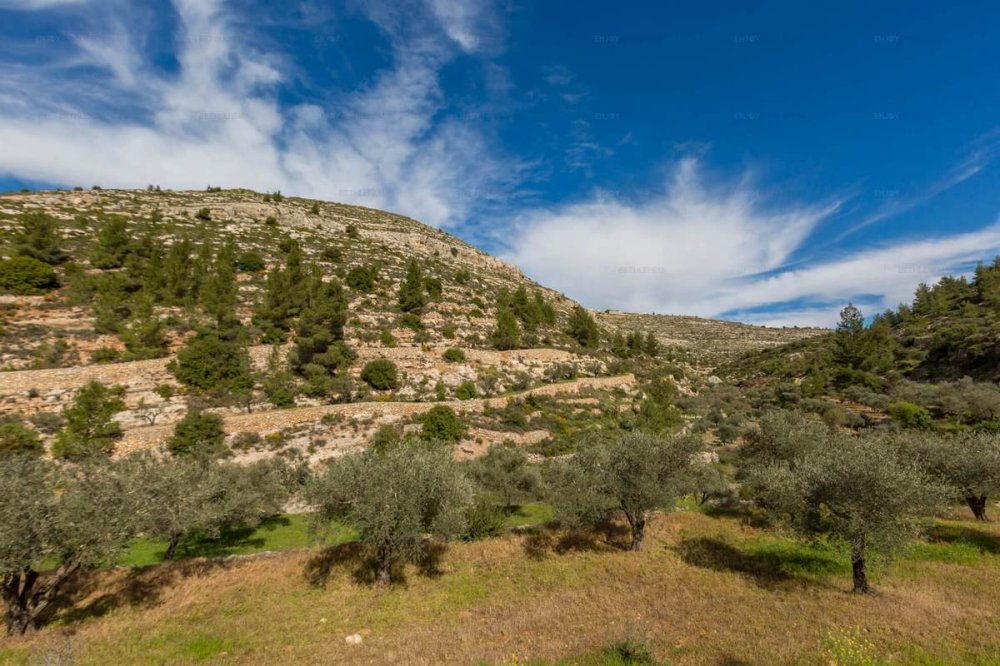
The valley is well known for cultivating grapes, olives, figs, and apricots, particularly apricots, for which the city of Beit Jala is famous. Farmers also used stone terraces to stabilize the soil and make productive use of the mountainous slopes.
Traditional agriculture depended on natural spring water, pools, and ancient irrigation channels, as well as dry-stone walls that help protect the soil and conserve water. Some of these agricultural practices continue to this day, making the valley a living testament to Palestinian agricultural heritage.
4. Environmental and Natural Diversity
The importance of Wadi Al-Makhrour extends beyond its agricultural history. It is also an important ecological area characterized by a rich diversity of plants, animals, and birds.
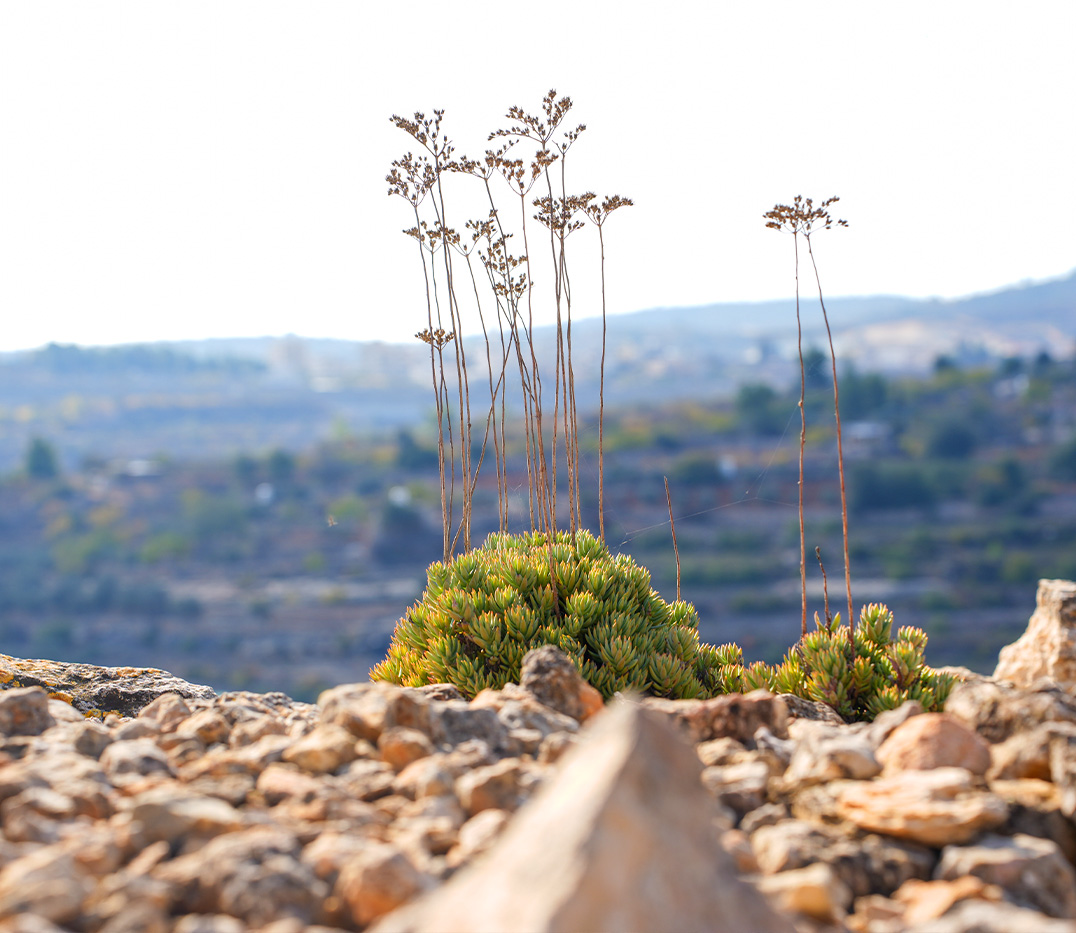
The valley is home to ancient olive trees, oak and pine trees, as well as wild plants and natural herbs such as thyme and sage. It also provides a habitat for various bird species, including migratory birds and some rare species, alongside foxes and wild rabbits.
The springs, fertile soil, and vegetation contribute to maintaining the ecological balance. The valley also plays an important role in replenishing groundwater resources in the western part of the West Bank.
5. Cultural Significance and World Heritage
Wadi Al-Makhrour represents an integral part of the Palestinian cultural landscape, reflecting the historical relationship between people and the land. This relationship is evident in the ancient agricultural terraces, stone pathways, traditional irrigation systems, and olive trees that have survived for generations.
In 2014, the UNESCO World Heritage List included the site known as Palestine: Land of Olives and Vines – Cultural Landscape of Southern Jerusalem, Battir. This cultural landscape extends across a network of valleys and agricultural terraces, from Wadi Al-Makhrour west of Beit Jala towards Battir and Husan.
This international recognition reflects the historical, agricultural, and cultural value of the region, as well as the importance of preserving traditional farming practices and the natural landscape shaped by generations of Palestinians.
6. Tourism and Recreational Activities
Wadi Al-Makhrour is considered a distinctive natural and tourist destination in the Bethlehem area. Visitors come to enjoy its peaceful atmosphere and beautiful natural scenery.
Some of the most popular activities in the area include:
-
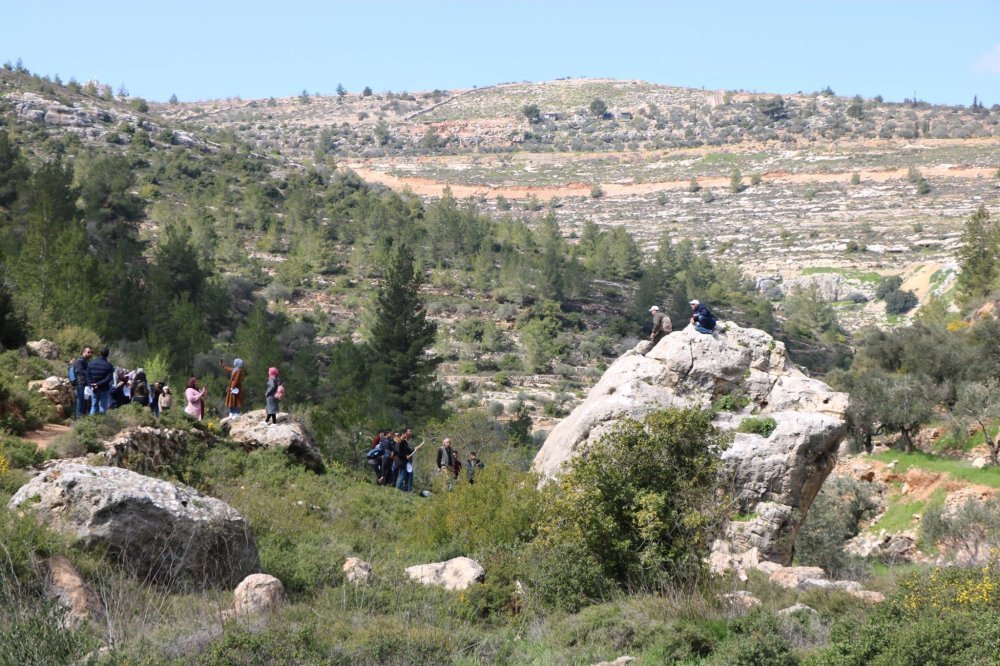
Hiking and exploring ancient natural trails.
-
Enjoying sunset views and the surrounding mountainous landscapes.
-
Photography and appreciating the natural environment.
-
Birdwatching and discovering wild plant species.
-
Visiting agricultural lands and learning about traditional farming methods.
-
Enjoying traditional Palestinian cuisine at local tourist establishments in the area.
These activities contribute to promoting eco-tourism and cultural tourism while creating opportunities to support local farmers and the surrounding community.
7. Challenges and Threats Facing the Valley
Despite its natural and historical importance, Wadi Al-Makhrour faces several challenges that threaten the preservation of its agricultural and ecological identity.
Among the most significant challenges are urban expansion and settlement construction, restrictions on land use and building, road and separation wall projects, and the decline of some traditional agricultural practices. Climate change, water scarcity, and environmental neglect also negatively affect agricultural lands and biodiversity.
Protecting agricultural lands, natural springs, ancient trees, and heritage trails is essential to preserving the valley for future generations.
Conclusion: Wadi Al-Makhrour – A Symbol of Palestinian Identity and Heritage
The importance of Wadi Al-Makhrour goes far beyond its beauty as a natural landscape. It represents an essential part of Palestinian identity, the collective memory of generations, and their enduring connection to the land.
Preserving the valley is not simply about protecting trees or agricultural terraces; it is about safeguarding history, culture, heritage, and agricultural knowledge passed down from one generation to another.
The valley's message is to raise environmental awareness, encourage sustainable agriculture, support local farmers, and protect natural and cultural resources. It also invites us to rethink our relationship with nature and recognize the importance of collective responsibility towards heritage sites.
Ultimately, Wadi Al-Makhrour remains more than just a valley nestled between hills. It is a Palestinian story that brings together the land, its people, and their history—a symbol of resilience, belonging, and the preservation of heritage for generations to come.